Chester County criminal court handles criminal matters for residents throughout the county, offering a clear legal path for both minor and serious offenses. From traffic violations to complex felony cases, the court ensures every proceeding follows Pennsylvania state laws. Individuals can attend hearings, submit defenses, and participate in the legal process with structured procedures that promote fairness. The court’s focus is on orderly trials while protecting the rights of all parties involved.
Criminal cases in Chester County criminal court range from misdemeanors like petty theft or disorderly conduct to serious felonies such as burglary, assault, or drug offenses. Each case moves through scheduled arraignments, hearings, and, if necessary, trials. The court works alongside prosecutors, defense attorneys, and law enforcement to manage the full cycle of criminal proceedings. Understanding the process can help defendants and their families stay prepared and informed.
What is Chester County Criminal Court
Chester County Criminal Court handles criminal cases within the county and ensures justice is served according to Pennsylvania law. It operates with authority over a wide range of offenses, from minor infractions to serious felonies. The court is part of Pennsylvania’s criminal justice system, tasked with hearing cases, ruling on motions, and issuing sentences. Its structure includes judges, court staff, and prosecutors who work together to uphold court jurisdiction while maintaining fair proceedings. The court handles criminal matters that occur within Chester County Court, ensuring local residents have access to judicial processes that are both efficient and transparent. It also collaborates with law enforcement and correctional agencies to manage case flow effectively.
Court Authority and Jurisdiction
Chester County Criminal Court has jurisdiction over all criminal offenses that occur within the county. This includes offenses ranging from theft, assault, and drug violations to serious violent crimes. As part of the Pennsylvania criminal court system, it applies state statutes and legal procedures consistently while maintaining public safety. Judges have the authority to preside over trials, rule on evidence, issue warrants, and determine sentencing in accordance with state law.
The court’s authority is divided based on case severity. Minor criminal offenses, often called misdemeanors, are typically handled by lower courts, whereas serious offenses, or felonies, are addressed at the Chester County Criminal Court level. This separation ensures that each case receives appropriate legal attention and that resources are allocated efficiently.
Felony vs. Misdemeanor Cases
Criminal offenses in Chester County are categorized as either felonies or misdemeanors, depending on severity and potential penalties.
- Misdemeanors: These are less severe crimes, such as petty theft, simple assault, or minor drug possession. They often carry penalties like fines, probation, or short-term jail sentences. Misdemeanor cases may be handled in lower-level courts or magistrate hearings before escalating to the criminal court if necessary.
- Felonies: These involve serious crimes, including robbery, aggravated assault, or major drug trafficking. Felony cases carry longer prison sentences and more complex legal procedures. Chester County Criminal Court handles these cases directly, overseeing pre-trial motions, jury trials, and sentencing.
How to Access Chester County Criminal Court Records
You can view official court records and docket entries for criminal cases in Chester County by using the Pennsylvania Unified Judicial System’s online search tool or by visiting the Clerk of Courts office in person. This includes information on criminal case hearings, court filings, and prosecution process steps.
Official Court Records Resource
The primary official court records and docket search resource is the Unified Judicial System of Pennsylvania Web Portal (UJS Web Portal). You do not need to create an account to search basic docket information.
Official Web Portal URL: https://ujsportal.pacourts.us/
Go to the Official PA eDocket / UJS Portal
Open this link in your browser: https://ujsportal.pacourts.us/
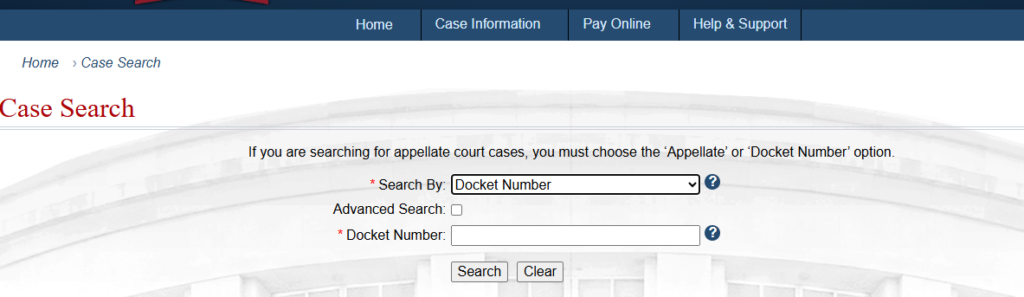
Choose “Case Search”
- Look for the Case Information menu at the top of the page and then select Case Search from the dropdown.
- This will bring up the public search form where you can enter your search criteria.
Enter Search Details
You can search court records using one or more of these options:
- Participant Name (e.g., defendant name)
- Docket Number (case number assigned by the court)
- Citation Number (issued by law enforcement)
- Complaint Number
- Incident Number
- Date Filed
View Search Results
After you click Search, the page will list matching cases. The results typically show:
- Case status (active, closed, awaiting trial)
- Court location and division
- Hearing dates
- Participants’ names
- Docket number
Read the Docket Sheet
The docket sheet breaks down the timeline of events, including:
- Filing of charges
- Arraignment and pre‑trial hearings
- Motions filed
- Scheduled criminal case hearings
- Court rulings and orders
Types of Criminal Cases in Chester County
Chester County Criminal Court handles a wide range of criminal cases, from minor infractions to serious felony charges. Each case type follows specific procedures, timelines, and potential penalties to ensure justice and fairness. Residents, attorneys, and law enforcement rely on these distinctions to understand court processes and prepare for hearings. By categorizing cases as felonies, misdemeanors, or traffic offenses, the court manages cases efficiently while protecting public safety and upholding Pennsylvania law.
Felony Cases
Felony cases involve serious crimes that carry significant consequences, including long-term imprisonment and substantial fines. These cases often begin with a grand jury indictment and are prosecuted in Chester County Criminal Court. Felony cases demand careful review of evidence, witness testimony, and procedural compliance. They usually involve jury trials due to the complexity and severity of the charges. Handling felony cases effectively ensures public safety and maintains trust in the criminal justice system.
Key aspects of felony cases:
- Serious charges like armed robbery, aggravated assault, or homicide.
- Grand jury indictment often required before prosecution.
- Jury trials are common for complex or violent crimes.
- Extensive public prosecution and defense procedures.
Misdemeanor Cases
Misdemeanors involve minor offenses with shorter sentences, typically less than one year, or fines and probation. These cases include petty theft, simple assault, trespassing, and minor drug possession. They are processed faster than felonies and often resolved through summary hearings or plea agreements. While less severe, misdemeanor cases still play a key role in the criminal justice system by holding individuals accountable for violations of the law.
Highlights of misdemeanor cases:
- Shorter sentences and lower fines than felonies.
- Often handled in county-level or magistrate courts.
- Cases may proceed without a jury trial unless contested.
- Efficient resolution through plea agreements or summary hearings.
Traffic and Other Offenses
Chester County also addresses traffic-related criminal offenses and other minor violations. These cases include DUI/DWI, moving violations, reckless driving, and other traffic infractions. While usually considered minor, some traffic offenses, like DUI causing injury, may escalate to felony charges. Handling these offenses ensures public safety and helps prevent accidents or repeated violations.
Important points for traffic and minor offenses:
- Resolved in traffic court or magistrate hearings.
- Penalties can include fines, license suspension, or community service.
- Serious traffic offenses may escalate to felony prosecution.
- Supports overall criminal justice and community safety.
Criminal Case Proceedings in Chester County
Criminal cases in Chester County follow a structured process from the initial charge to final resolution. Each stage is designed to protect defendants’ rights while ensuring public safety and justice. Residents and attorneys can track cases through official court records and tools, allowing transparency and efficiency in the criminal justice system. Understanding these steps helps defendants, witnesses, and the public know what to expect during criminal case hearings.
Arraignment
The arraignment is the defendant’s first appearance in Chester County Criminal Court after charges are filed. During this stage, the court formally presents the charges, and the defendant enters a plea. Defendants are also informed of their rights and may request defense counsel if they do not already have an attorney.
Key points about arraignment:
- Official reading of criminal charges.
- Entry of plea: guilty, not guilty, or no contest.
- Court may address bail or release conditions.
- Legal representation is confirmed for the defendant.
Pretrial Motions
After arraignment, attorneys may file pretrial motions to prepare for trial. These motions are part of the prosecution process and the criminal defense strategy. Common pretrial motions include requests for discovery, suppression of evidence, or reconsideration of bail conditions.
Common pretrial motions include:
- Discovery: exchanging evidence between prosecution and defense.
- Suppression motions: challenging illegally obtained evidence.
- Bail hearings: determining whether the defendant remains in custody or can be released.
- Motions to dismiss or reduce charges based on legal arguments.
Trial Procedures
If a criminal case is not resolved through plea agreements or pretrial motions, it proceeds to trial. Trials in Chester County follow formal criminal trial procedures, particularly for felony charges. This stage ensures both prosecution and defense present evidence and witnesses before a judge or jury.
Trial steps include:
- Jury selection (for felony cases or contested trials).
- Presentation of evidence and exhibits.
- Witness testimony and cross-examination.
- Closing arguments summarizing evidence and legal points.
Sentencing and Appeals
After a conviction, the court issues sentencing, which may include imprisonment, fines, probation, or community service. Chester County also allows appeals if the defendant believes errors occurred during the trial or sentencing. This process is part of maintaining fairness and integrity in the criminal justice system.
Key aspects of sentencing and appeals:
- Types of sentencing: prison, probation, fines, or combination.
- Appeals process: requesting a higher court to review the case.
- Legal penalties are applied according to state statutes.
- The court ensures sentences are proportionate to the severity of criminal charges.
Roles in Chester County Criminal Court
Chester County Criminal Court relies on a structured team of legal professionals to ensure justice is served efficiently and fairly. Each participant—from prosecutors to judges to defense counsel—has clearly defined responsibilities. Understanding these roles helps residents, defendants, and attorneys know how criminal case hearings and legal proceedings function within the criminal justice system. The court balances public safety, legal representation, and due process to maintain integrity in all cases.
Prosecution
The prosecution represents the state and is responsible for presenting the case against defendants charged with criminal offenses. Led by the District Attorney, the prosecution manages evidence, files charges, and conducts legal proceedings to prove guilt beyond a reasonable doubt.
Key responsibilities of the prosecution:
- Leading the prosecution process in criminal cases.
- Reviewing and presenting evidence in court.
- Calling witnesses and expert testimony to support charges.
- Coordinating with law enforcement and investigators.
- Ensuring compliance with legal procedures and court rules.
The prosecutor’s office plays a critical role in maintaining public safety and accountability while following ethical standards in all legal proceedings.
Defense Counsel
Every defendant in Chester County Criminal Court has the right to legal representation, either through a private attorney or a public defender. Defense counsel develops strategies to protect the defendant’s rights, challenge evidence, and provide guidance throughout the criminal defense process.
Key roles of defense counsel:
- Advising the defendant on legal rights and options.
- Challenging prosecution evidence and motions.
- Representing the client during arraignments, pretrial motions, trials, and sentencing.
- Negotiating plea agreements or alternative resolutions.
Strong defense representation ensures fairness in the criminal justice system, giving defendants the opportunity to contest charges and receive a just outcome.
Judges and Court Staff
Judges oversee the court, enforce rules, and ensure that criminal justice procedures are followed accurately. Court staff, including clerk of courts, clerks, bailiffs, and court administrators, support daily operations, maintain records, and assist in scheduling hearings. Together, they uphold the judicial process and the authority of Chester County Criminal Court.
Roles and responsibilities include:
- Judges: Presiding over trials, ruling on motions, instructing juries, and issuing sentences.
- Court clerks: Maintaining case records, docket entries, and official filings.
- Bailiffs: Ensuring security and order in the courtroom.
- Administrative staff: Scheduling hearings, managing documents, and facilitating court operations.
Judges and staff provide the structure and oversight necessary for fair, efficient, and legally compliant proceedings in the county’s criminal court system.
Felony Charges in Chester County
Felony charges in Chester County involve serious criminal offenses that carry significant legal consequences, including long-term imprisonment, fines, and probation. These cases are typically handled in Chester County Criminal Court and follow a structured criminal case hearing and prosecution process. Residents and defendants can benefit from understanding common felony charges, the court procedures involved, and potential penalties before going through the legal system. Felonies are prosecuted by the state and require careful review of evidence, witness testimony, and legal arguments. Knowing the differences between types of felony offenses helps defendants, families, and attorneys prepare for court appearances, sentencing, and possible appeals.
Assault
Assault cases in Chester County can range from aggravated assault with a weapon to serious bodily injury. These offenses are classified as felonies when they involve threats to life or severe injury.
Key points:
- Handled in felony charges court.
- May involve jury trials for contested cases.
- Penalties include state prison sentences, fines, and probation.
- Criminal liability increases with use of a weapon or repeated offenses.
Theft and Property Crimes
Theft, burglary, and related property crimes are considered felonies when the value of stolen property exceeds a legal threshold or involves breaking into homes or businesses.
Key points:
- Includes burglary, grand theft, and fraud.
- Cases are prosecuted through the state prosecution system.
- Potential penalties: long-term imprisonment, restitution, and fines.
- Court proceedings include arraignment, pretrial motions, trial, and sentencing.
Drug Offenses
Drug trafficking, distribution, or possession with intent to sell are classified as felonies in Chester County. These cases are closely monitored by law enforcement and the District Attorney’s office.
Key points:
- Handled in felony charges court due to severity.
- Criminal case hearings involve detailed evidence, including controlled substances and witness testimony.
- Penalties include prison sentences, probation, and mandatory drug treatment programs.
- Aggravating factors, such as prior convictions, can increase criminal liability.
Penalties and Court Process
Felony cases follow a multi-step process in Chester County:
- Arraignment – defendant enters a plea.
- Pretrial motions – evidence challenges and discovery.
- Trial – jury or bench trial with prosecution and defense presenting evidence.
- Sentencing – judge issues penalties based on severity and prior record.
- Appeals (if applicable) – higher court reviews trial procedures or sentencing errors.
Arrest, Bail, and Pretrial Considerations
When a person is suspected of committing a crime in Chester County, the criminal justice system begins with an arrest. This step formally starts legal proceedings, giving the defendant rights and protections under the law. After arrest, pretrial considerations like bail, release conditions, and court hearings determine whether the defendant stays in custody or is released while awaiting trial. Understanding these steps helps defendants, families, and attorneys prepare for criminal case hearings efficiently.
Arrest Process
The arrest process occurs when law enforcement takes a suspect into custody based on probable cause or a valid warrant. Once arrested, the defendant is informed of the charges and their legal rights. Arrest initiates the formal criminal case process and sets the stage for subsequent proceedings, including arraignment and pretrial hearings. This step ensures public safety while protecting the defendant’s constitutional rights.
Key points about the arrest process:
- Defendant is read Miranda rights and informed of charges.
- Law enforcement collects personal information, fingerprints, and photographs.
- Arrest records are logged for court use.
- Individuals may be held in jail pending bail or pretrial release.
Bail and Pretrial Release
Bail and pretrial release determine whether a defendant can remain free before trial. Judges review flight risk, offense severity, and criminal history before setting bail. Pretrial conditions may include restrictions, monitoring, or scheduled check-ins, balancing public safety with the defendant’s right to liberty. This stage also gives the defense time to prepare for trial or explore plea agreements.
Key points about bail and pretrial release:
- Bail bonds may be required to secure freedom.
- Judges may impose restrictions or electronic monitoring.
- Bail hearings often occur during arraignment or shortly after arrest.
- Bail may be denied in serious felony charges cases.
Pretrial Considerations
The pretrial phase involves preparing the case for trial, resolving legal questions, and scheduling court dates. Both prosecution and defense review evidence, file motions, and determine strategies. Pretrial procedures ensure that cases progress efficiently while protecting the defendant’s rights and the integrity of the criminal justice system.
Important pretrial activities include:
- Reviewing discovery and evidence.
- Filing pretrial motions, such as suppression or dismissal requests.
- Scheduling court hearings and setting trial dates.
- Evaluating potential plea agreements before trial.
Rights of Defendants in Chester County Criminal Court
Defendants in Chester County Criminal Court are entitled to protections under both Pennsylvania and U.S. law. These rights ensure that every accused individual receives a fair trial, legal representation, and due process. Knowing these rights helps defendants, families, and attorneys navigate the criminal justice system confidently. The court balances the prosecution’s responsibilities with the defendant’s protections to uphold justice and maintain trust in legal proceedings.
Right to Legal Representation
Every defendant has the right to legal representation through a private attorney or a public defender. This ensures that defendants receive guidance, advice, and advocacy throughout the criminal case process. Defense counsel assists with arraignments, pretrial motions, trial procedures, and sentencing, helping protect the defendant’s constitutional and statutory rights.
Key points about legal representation:
- Defendants can request a public defender if they cannot afford an attorney.
- Attorneys provide guidance on criminal law procedures and defense strategies.
- Defense counsel challenges evidence, advises on plea agreements, and advocates in court.
- Ensures defendants are fully informed of their rights and options during all stages.
Miranda Rights
Upon arrest, defendants are informed of their Miranda rights, which protect them from self-incrimination. These rights require law enforcement to explain that the accused has the right to remain silent and to have an attorney present during questioning. Understanding Miranda rights is critical in ensuring that any statements made during custody are admissible in court.
Key aspects of Miranda rights:
- Right to remain silent to avoid self-incrimination.
- Right to consult an attorney before answering questions.
- Right to have legal counsel present during police interrogation.
- Statements made without Miranda warnings may be excluded from trial.
Right to a Fair Trial
Defendants are guaranteed a fair and impartial trial, including the right to an unbiased judge and jury. This protects the accused from wrongful conviction and ensures that the prosecution process follows proper procedures. Fair trial rights also allow defendants to challenge evidence, question witnesses, and present their own case.
Key components of a fair trial:
- Trial by jury or bench trial, depending on case type.
- Right to cross-examine witnesses and challenge evidence.
- Presumption of innocence until proven guilty.
- Timely notification of charges and court hearings.
Preparing for Your Court Appearance
Proper preparation is essential for anyone involved in Chester County criminal case hearings, whether as a defendant, witness, or attorney. Being well-prepared helps ensure that the court process proceeds smoothly, demonstrates respect for the criminal justice system, and supports an effective legal defense. Preparation involves understanding court procedures, gathering required documents, and coordinating with defense counsel to develop a solid strategy for trial or hearings.
Coordinating with Your Attorney
Working closely with a qualified defense counsel is critical for effective court preparation. Attorneys guide defendants on what to expect during hearings, advise on legal strategy, and ensure all necessary documentation is submitted properly. Open communication with your attorney ensures that any questions or concerns are addressed in advance of the criminal case hearings.
Key steps for coordination:
- Schedule meetings to review the case and evidence.
- Discuss potential plea agreements or trial strategies.
- Confirm which documents and exhibits are required in court.
- Understand courtroom procedures and your rights during proceedings.
Gathering Required Documents
Court appearances often require specific documents and evidence to support your case or comply with procedural rules. Organizing these materials in advance helps prevent delays and ensures the court can consider all relevant information. Both defendants and attorneys should confirm which documents are mandatory for their specific case.
Documents commonly needed include:
- Summons, complaint, or arraignment notices.
- Evidence supporting the defense, such as receipts, contracts, or communications.
- Witness lists and expert reports.
- Any pretrial motions or filings previously submitted to the court.
Courtroom Etiquette and Behavior
Proper courtroom etiquette reflects respect for the legal process and can influence how judges and court staff perceive a defendant or attorney. Following these expectations ensures proceedings proceed efficiently and without unnecessary disruption.
Key points of courtroom behavior:
- Arrive on time and dressed appropriately.
- Address the judge as “Your Honor” and speak respectfully.
- Follow all directions given by court staff and bailiffs.
- Avoid interrupting or speaking over opposing counsel or witnesses.
- Ensure electronic devices are silenced or turned off.
Location and Contact Information
Chester County Criminal Court is located in West Chester, Pennsylvania, serving residents across the county for criminal case filings, hearings, and legal inquiries. This courthouse handles felony and misdemeanor cases, traffic offenses, preliminary hearings, and other criminal matters. Knowing the exact court location, contact information, and office hours ensures defendants, attorneys, and the public can access services efficiently and without delay.
Court Address and Contact Numbers
The Chester County Criminal Court main office is centrally located, making it accessible for in-person visits and correspondence. Court staff are available to answer questions regarding case filings, court records, and hearing schedules.
Official court address and contacts:
- Address: 201 W Market Street, West Chester, PA 19380
- Main Office Phone: (610) 344-6300
- Case Inquiries / Clerk’s Office: (610) 344-6800
- Fax: (610) 344-6801
- Office Hours: Monday – Friday, 8:30 AM – 4:30 PM
Transportation and Parking
The courthouse is accessible via public transportation and offers on-site parking for visitors. Planning your route in advance ensures timely arrival for criminal case hearings and other proceedings.
Transportation and parking details:
- Public Transit: SEPTA bus routes stop near the courthouse.
- Parking: On-site parking is available for visitors, with additional municipal lots nearby.
- Accessibility: Wheelchair-accessible entrances and elevators are provided.
Types of Cases Heard at This Location
Chester County Criminal Court handles a variety of criminal matters. Understanding which types of cases are heard here helps residents and attorneys know where to file and attend hearings.
Common cases include:
- Felony charges such as assault, theft, and drug offenses.
- Misdemeanor cases including petty theft, simple assault, and minor drug possession.
- Preliminary hearings for defendants awaiting trial or indictment.
- Traffic and other criminal offenses requiring court review.
Frequently Asked Questions
Chester County Criminal Court handles a wide range of criminal matters, and residents often have questions about case procedures, legal rights, and court processes. This FAQ section answers some of the most common inquiries about criminal case hearings, felony and misdemeanor charges, and the prosecution process. Understanding these basics can help defendants, attorneys, and the public navigate the criminal justice system more effectively.
How do I search court dockets?
Chester County provides tools for searching court dockets, allowing users to track active cases, hearing schedules, and past filings. You can search by defendant name, case number, or hearing date using the county’s interactive docket search tool. These searches provide access to court records, including arraignments, pretrial motions, trial schedules, and sentencing information. Access to dockets ensures transparency in the prosecution process and helps defendants and attorneys stay informed of upcoming criminal case hearings.
What happens at a felony arraignment?
A felony arraignment is the defendant’s first official appearance in Chester County Criminal Court for serious criminal charges. During this hearing, the charges are formally read, and the defendant enters a plea, such as guilty, not guilty, or no contest. The court also confirms whether the defendant has defense counsel, discusses bail or pretrial release, and schedules future hearings. Felony arraignments set the stage for the prosecution and defense to prepare for trial, ensuring the criminal justice system operates fairly and efficiently.
Can I represent myself?
Yes, defendants have the legal right to represent themselves, but it is generally not recommended for felony or complex cases. Self-representation requires knowledge of criminal law procedures, court rules, and trial strategy. A defense counsel can provide guidance, challenge evidence, negotiate plea agreements, and protect the defendant’s rights during criminal case hearings. While self-representation is permitted, having experienced legal representation significantly improves the chances of a fair outcome.
How long does sentencing take?
Sentencing timelines vary depending on the type of charge, case complexity, and the court’s schedule. After a conviction or guilty plea, the judge may schedule a sentencing hearing, during which they consider the offense, prior record, and recommendations from both the prosecution and defense. In Chester County, minor offenses like misdemeanors may have sentencing on the same day as trial or plea, while felony cases often require additional preparation, victim impact statements, and reports from probation officers before the judge issues a final sentence.
What is the difference between misdemeanor and felony?
Misdemeanors are considered minor offenses with shorter sentences, smaller fines, and simpler legal procedures. Felonies are serious criminal offenses that carry long-term imprisonment, larger fines, and often require jury trials. Chester County Criminal Court distinguishes these cases to ensure appropriate handling based on criminal liability and severity. Understanding the difference helps defendants and attorneys plan legal strategy, anticipate court procedures, and prepare for criminal case hearings effectively.